Introduction
“I just don’t have enough hours in the day.” I’ve said this myself more times than I’d like to admit. The truth is, it’s rarely about having more hours — it’s about how those hours get used. These time management techniques aren’t the generic productivity-guru advice you’ve read a hundred times; they’re the ones that actually hold up under a real, messy work schedule.
Why Most Time Management Advice Fails in Practice
In short: Most time management techniques fail because they assume a predictable schedule, while real professional life is full of interruptions — the techniques that actually work build in flexibility rather than fighting against it.
The Two-Minute Rule
If a task takes less than two minutes, do it immediately instead of adding it to a list. Sounds small, but it prevents tiny tasks from piling into an overwhelming backlog by end of week.
Time Blocking, Done Realistically
Time blocking works, but most people block their calendar too tightly and then feel like failures when a call runs long. I’ve found leaving 20-30% buffer between blocks makes the system actually sustainable instead of a source of daily guilt.
- Block deep work in your highest-energy hours, not just whenever’s free
- Leave buffer time between meetings for context-switching
- Batch similar tasks (emails, calls) into single blocks rather than scattering them
The Eisenhower Matrix for Prioritization
Sort tasks into four boxes: urgent-important, important-not urgent, urgent-not important, neither. Most people spend too much time in “urgent-not important” — other people’s fire drills — while neglecting the important-not urgent work that actually moves careers forward.
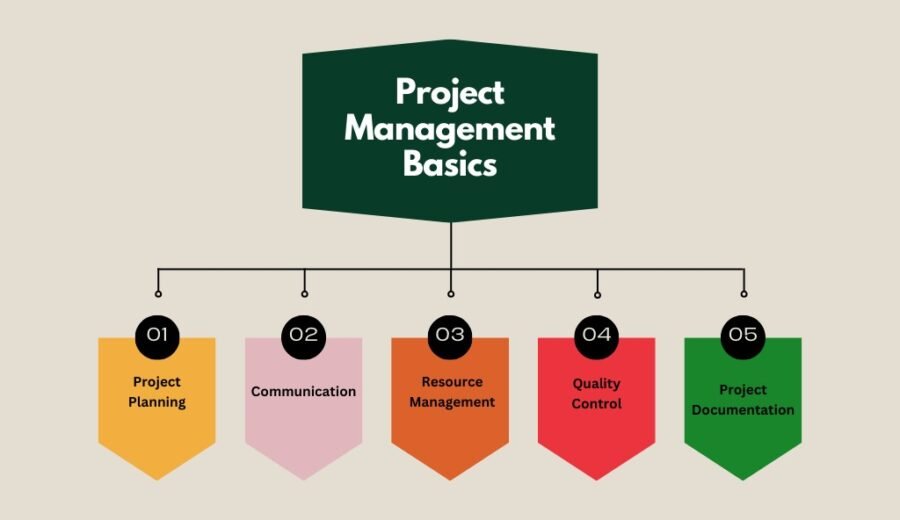
[link to related guide about project management basics here]
Single-Tasking Over Multitasking
Direct answer: Research consistently shows multitasking reduces overall productivity and increases error rates — focusing on one task at a time, even for short 25-30 minute stretches, produces better quality output than constant task-switching.
Picture a marketing manager juggling four browser tabs and two Slack channels during a client call. She missed a key detail the client mentioned, which caused a rework two days later. Single-tasking would’ve caught it instantly.
The Pomodoro Technique — Does It Actually Work?
25 minutes of focused work, 5-minute break, repeat. It’s genuinely useful for tasks you’re avoiding, but I’ll be honest — it feels restrictive for deep creative work that needs longer, uninterrupted stretches. Use it selectively, not as a blanket rule.
Saying No Without Guilt
A huge chunk of time management is actually boundary management. Every “yes” to a low-priority request is a “no” to something that actually matters. This is uncomfortable to practice but genuinely changes how much gets done.
Managing Email and Notification Overload
- Check email at scheduled times rather than reactively all day
- Turn off non-essential notifications during deep work blocks
- Use filters to separate urgent messages from routine ones
Weekly Planning Over Daily Planning
Planning only day-by-day makes it easy to lose sight of bigger priorities. A 15-minute Sunday or Monday morning review of the whole week helps catch conflicts and prioritize better than scrambling each morning.
FAQs
What is the most effective time management technique? There’s no single “best” technique — time blocking combined with prioritization frameworks like the Eisenhower Matrix tends to work well for most busy professionals.
How do I stop procrastinating on important tasks? Breaking large tasks into smaller, specific steps and using techniques like the two-minute rule or Pomodoro method can reduce the mental resistance that causes procrastination.
Is multitasking ever beneficial? For simple, low-cognitive tasks like folding laundry while on a call, mild multitasking is fine, but for complex work, single-tasking consistently produces better results.
How can I manage time better with unpredictable interruptions? Building buffer time into your schedule and batching reactive tasks (like emails) into set windows helps absorb interruptions without derailing your whole day.
What’s the difference between urgent and important tasks? Urgent tasks demand immediate attention regardless of long-term value, while important tasks contribute to meaningful goals — effective time management prioritizes important over merely urgent.
Conclusion
These time management techniques work best when you stop treating them as rigid rules and start adapting them to your actual, unpredictable work life. Pick two or three that fit your role, test them for a few weeks, and adjust — perfection isn’t the goal, consistency is.