Introduction
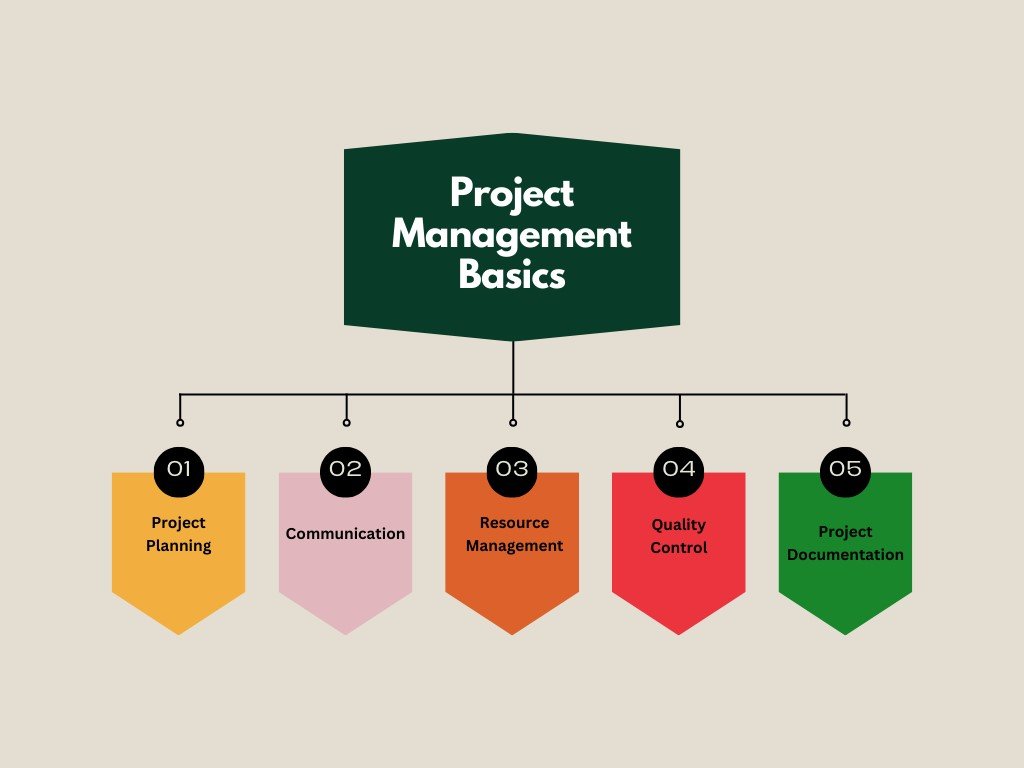
Getting handed your first project to manage is equal parts exciting and terrifying. Most beginners get thrown into it without any formal training, expected to just figure it out. This guide covers project management basics in plain language — the stuff that actually matters day-to-day, not the theory-heavy frameworks nobody uses in full.
What Does Project Management Actually Involve?
In short: Project management basics involve defining clear objectives, planning tasks and timelines, allocating resources, tracking progress, and managing risks — all aimed at delivering a specific outcome within set constraints.
Defining Clear Project Objectives
Vague goals like “improve the website” set projects up to drift endlessly. Specific objectives — “redesign the checkout flow to reduce cart abandonment by 15% within 8 weeks” — give the whole team something concrete to aim for.
Breaking the Project Into Manageable Tasks
Large projects feel overwhelming until you break them into a clear task list. I’ve noticed new project managers often skip this step and jump straight to execution, which usually causes confusion halfway through about what’s actually left to do.
- List every deliverable, however small
- Assign clear ownership for each task
- Set realistic deadlines with some buffer for unexpected delays
[link to related guide about time management techniques here]
Creating a Realistic Timeline
Direct answer: A realistic project timeline accounts for dependencies between tasks, team availability, and a reasonable buffer for unexpected delays — timelines built on best-case assumptions almost always slip.
Choosing a Project Management Methodology
- Waterfall: Sequential phases, works well for projects with fixed, well-defined requirements
- Agile: Iterative sprints, better suited for projects with evolving requirements
- Kanban: Visual task-flow board, good for ongoing, continuous work rather than fixed-end projects
Don’t overthink this choice as a beginner. Most small teams do fine with a simple Kanban board before graduating to more formal Agile ceremonies.
Risk Management — Expect Things to Go Wrong
Every project has risks — a vendor delay, a key team member falling sick, scope creep from stakeholders. Identifying possible risks upfront, even briefly, means you’re not blindsided when they happen.
Picture a product launch project where the design team assumed marketing assets would be ready two weeks before launch. Nobody confirmed this explicitly. Marketing delivered assets three days before launch, causing a scramble. A simple risk check-in early on would’ve caught this dependency gap.
Communication Is the Real Job
Direct answer: The core daily work of project management is communication — keeping stakeholders informed, resolving blockers between teams, and ensuring everyone understands current priorities, often more than the technical planning itself.
Tracking Progress Without Micromanaging
Regular but not excessive check-ins work best. Daily 10-minute stand-ups or weekly progress reviews keep visibility high without making team members feel constantly watched.
Common Beginner Mistakes in Project Management
- Underestimating how long tasks will actually take
- Not accounting for dependencies between different tasks
- Avoiding difficult conversations about scope creep with stakeholders
- Skipping post-project reviews that would improve the next project
Tools That Help Beginners Manage Projects
Trello, Asana, and Monday.com are commonly used, beginner-friendly tools. The specific tool matters less than actually using it consistently — I’ve seen teams switch tools three times in a year without fixing the underlying planning habits.
FAQs
What skills does a beginner project manager need? Communication, basic planning and prioritization skills, and comfort with ambiguity are the most critical starting skills for new project managers.
Which project management methodology is best for beginners? Kanban is often easiest for beginners due to its simple visual structure, before moving to more structured methodologies like Agile or Waterfall as needed.
How do I handle scope creep in a project? Documenting the original project scope clearly and having a defined process for evaluating and approving any changes helps manage scope creep effectively.
Do I need certification to become a project manager? Certification (like PMP) can help credibility and structured knowledge, but many project managers start and succeed through on-the-job experience first.
What is the biggest challenge for new project managers? Balancing stakeholder expectations with realistic timelines and resources is consistently reported as one of the toughest early challenges for new project managers.
Conclusion
Mastering these project management basics isn’t about memorizing methodology names — it’s about clear communication, realistic planning, and staying calm when things inevitably go off track. Start with a simple system, learn from what goes wrong, and refine as you go.