Introduction
“My bookkeeper handles the accounting” — I hear business owners say this constantly, and honestly, it shows how blurred these two terms have become in everyday use. Understanding bookkeeping vs accounting properly isn’t just semantics — it affects who you hire and what you actually need at different stages of your business.
What Is Bookkeeping, Exactly?
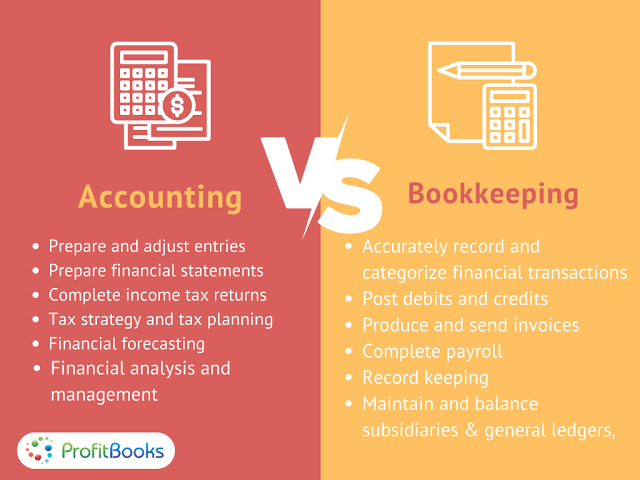
In short: Bookkeeping is the day-to-day recording of financial transactions — sales, purchases, receipts, and payments — forming the raw data that accounting later analyzes and interprets.
Think of a bookkeeper as someone maintaining the ledger, keeping every transaction accurately logged and organized.
What Is Accounting, Exactly?
Accounting takes that raw bookkeeping data and turns it into meaningful financial reports — profit and loss statements, balance sheets, cash flow analysis. It’s less about data entry and more about interpretation and strategic insight.
Picture a small retail shop owner in Jaipur. Her bookkeeper enters every daily sale and expense into the system. Her accountant then reviews that data monthly to prepare tax filings and advise on inventory purchasing decisions based on margins. Two very different jobs, working together.
[link to related guide about basic accounting principles here]
Key Differences at a Glance
| Aspect | Bookkeeping | Accounting |
| Focus | Recording transactions | Analyzing and interpreting data |
| Skill Level | Basic to intermediate | Requires formal qualification (often CA) |
| Output | Organized ledgers, records | Financial statements, tax filings, strategy |
| Frequency | Daily/weekly | Monthly/quarterly/annual |
Do You Need Both, or Just One?
Direct answer: Small businesses with simple transaction volumes can often manage with just a bookkeeper or bookkeeping software, but as revenue and complexity grow, hiring a qualified accountant becomes essential for tax compliance and strategic financial decisions.
Qualifications: What Sets Them Apart
Bookkeepers typically don’t need formal certification, though training helps significantly. Accountants, especially Chartered Accountants (CAs) in India, undergo rigorous formal qualification and are legally authorized to sign off on audits and certain tax filings.
Cost Differences Between the Two
- Bookkeeping services or software: generally lower cost, often ₹3,000-₹10,000 monthly for small businesses
- Accounting/CA services: higher cost due to expertise, often charged per service (tax filing, audits, advisory)
Many small businesses try to save money by skipping bookkeeping altogether and handing messy records to an accountant at tax time. This almost always costs more in the end — accountants charge more to untangle disorganized records than they would to review clean ones.
When Should You Hire Each?
- Bookkeeper: From day one, even if it’s just organized spreadsheets initially
- Accountant: Once you’re filing GST returns, need tax planning, or are seeking funding/loans requiring audited financials
Can Software Replace Bookkeeping and Accounting?
Software like Zoho Books or QuickBooks automates a lot of bookkeeping tasks, but it doesn’t replace the judgment an accountant brings to tax strategy, compliance nuances, and financial planning. I’ve noticed founders assume software alone is “enough” — it rarely is once the business grows past a certain size.
FAQs
Is a bookkeeper the same as an accountant? No — a bookkeeper records daily transactions, while an accountant analyzes that data to prepare financial statements, tax filings, and strategic advice.
Can I do my own bookkeeping as a small business owner? Yes, especially in the early stages, using accounting software designed for small businesses — though hiring help becomes valuable as transaction volume grows.
Do I need a CA for tax filing in India? While not always legally mandatory for every business type, a CA’s expertise is highly recommended for accurate tax filing and to avoid compliance errors.
How much does hiring a bookkeeper cost in India? Costs vary by business size and transaction volume, but many small businesses pay between ₹3,000-₹15,000 monthly for part-time or outsourced bookkeeping.
What comes first, bookkeeping or accounting? Bookkeeping comes first — accurate transaction records are the foundation accountants need to produce meaningful financial statements and reports.
Conclusion
Understanding bookkeeping vs accounting helps you hire the right help at the right stage instead of overpaying an accountant for basic data entry, or under-preparing when you actually need strategic financial guidance. Get the foundation of clean bookkeeping right, and everything downstream becomes easier.