Introduction
I’ve met so many business owners who are brilliant at their craft — great at sales, great at product — but completely lost the moment their accountant mentions “accrual” or “depreciation.” You don’t need a commerce degree to run a healthy business, but understanding basic accounting principles genuinely changes how confidently you make decisions.
Let’s break this down without the textbook language.
Why Every Business Owner Needs Basic Accounting Knowledge
In short: Understanding basic accounting principles helps business owners make informed decisions about pricing, spending, and growth, rather than relying entirely on an accountant’s word without knowing what the numbers actually mean.
The Matching Principle
This one confuses people constantly. It simply means expenses should be recorded in the same period as the revenue they helped generate. If you spend money on ads in March that lead to sales in April, proper accounting matches that cost against April’s revenue, not March’s.
Accrual vs Cash Basis Accounting
- Cash basis: Revenue and expenses recorded only when money actually changes hands
- Accrual basis: Revenue and expenses recorded when they’re earned or incurred, regardless of when cash moves
Most small businesses start with cash basis because it’s simpler, but accrual gives a more accurate picture of actual business health.
Picture a consultant who invoiced ₹5 lakh in December but got paid only in February. Under cash accounting, December looked like a loss month — which caused unnecessary panic that accrual accounting would’ve avoided entirely.
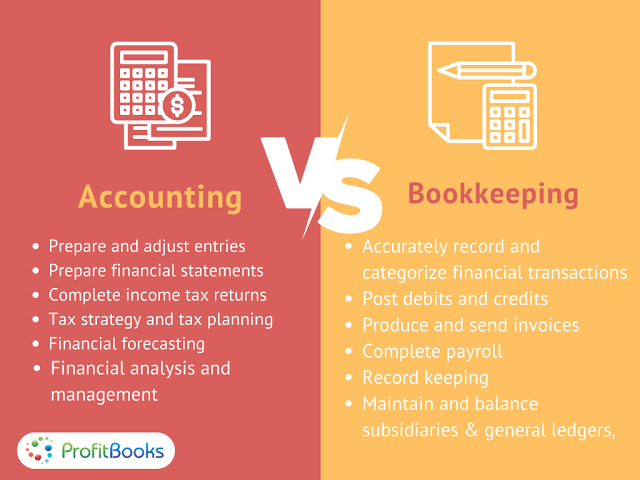
[link to related guide about bookkeeping vs accounting basics here]
The Principle of Consistency
Whatever accounting method you choose, stick with it across periods. Switching methods randomly makes it impossible to compare performance year over year, and honestly, it raises red flags during audits too.
Understanding the Balance Sheet Basics
Direct answer: A balance sheet follows the simple equation Assets = Liabilities + Owner’s Equity, showing what a business owns, what it owes, and what’s genuinely left for the owner at any given point in time.
Revenue Recognition Principle
Revenue should be recorded when it’s earned, not necessarily when cash arrives. This trips up a lot of first-time founders who think of “sales” and “cash in bank” as the same thing — they’re not, and that gap causes real confusion.
The Cost Principle
Assets are recorded at their original purchase cost, not current market value. So if you bought office furniture for ₹2 lakh five years ago, it stays on the books at that historical cost basis, adjusted for depreciation — not what it’d sell for today.
Why Separate Business and Personal Finances
This isn’t strictly a formal accounting principle, but it might be the most practically important habit for small business owners. Mixing personal and business expenses makes bookkeeping a nightmare and creates real tax complications down the line.
Common Accounting Mistakes Small Business Owners Make
- Not tracking expenses in real-time, leading to messy year-end reconciliation
- Confusing profit with cash in the bank account
- Ignoring accounts receivable until cash flow becomes a problem
- Not reconciling bank statements regularly
Tools That Make Basic Accounting Easier
You don’t need to master double-entry bookkeeping manually. Software like Tally, Zoho Books, or QuickBooks handles much of the heavy lifting — your job is understanding what the reports actually mean, not calculating them by hand.
FAQs
What are the four basic accounting principles? The four commonly referenced principles are the matching principle, revenue recognition principle, cost principle, and consistency principle, though several others also apply depending on context.
Do I need to hire an accountant if I understand basic accounting? Understanding basics helps you make better decisions, but a qualified accountant is still valuable for tax compliance, complex filings, and strategic financial planning.
What is the difference between profit and cash flow? Profit reflects revenue minus expenses on paper, while cash flow reflects actual money moving in and out of your bank account — a business can be profitable yet cash-poor.
How often should I review my business accounts? Monthly reviews are recommended at minimum, though many growing businesses benefit from weekly cash flow tracking to catch issues early.
Is accrual accounting mandatory for small businesses in India? Generally, companies above certain turnover thresholds are required to use accrual accounting, while smaller businesses often have flexibility to choose cash basis.
Conclusion
You don’t need to become an accountant, but grasping these basic accounting principles puts you in control of your own business decisions instead of blindly trusting reports you don’t understand. Spend a weekend actually reading your financial statements — it’s worth more than most business courses.