Introduction
Ask ten people what corporate governance actually means, and you’ll probably get ten vague answers involving “boards” and “ethics.” I get it — the term sounds abstract until you see what happens when it’s missing. This corporate governance guide breaks it down simply, because honestly, most explanations online overcomplicate something fairly logical once you strip away the jargon.
What Is Corporate Governance, Really?
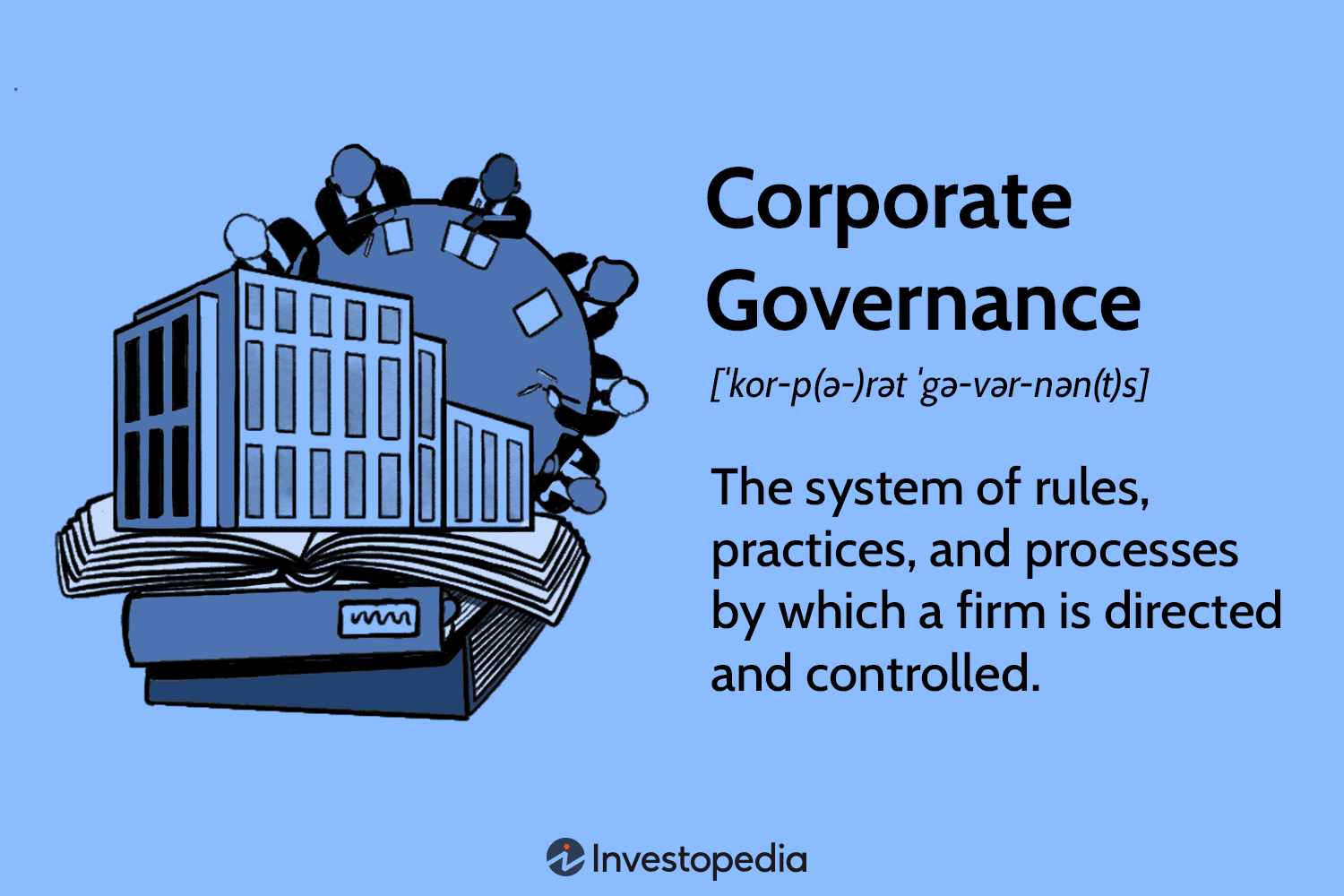
In short: Corporate governance is the system of rules, practices, and processes by which a company is directed and controlled, balancing the interests of shareholders, management, employees, and other stakeholders.
Think of it as the operating rulebook that keeps a company accountable, transparent, and less likely to implode from internal mismanagement.
Why Corporate Governance Matters More Than People Think
Companies with weak governance don’t always fail loudly — sometimes it’s slow, quiet decay. Poor decision-making, lack of accountability, and unchecked executive power tend to surface eventually, often during a crisis when it’s too late to fix quickly.
Picture a mid-sized manufacturing company where the founder-CEO made every single financial decision without board oversight. When he fell ill suddenly, the company had no clear succession plan or documented processes — operations nearly collapsed within weeks.
[link to related guide about building an effective leadership team here]
Key Principles of Good Corporate Governance
- Accountability — leaders answer for decisions, not just outcomes
- Transparency — financial and operational information isn’t hidden from stakeholders
- Fairness — treating all shareholders, including minority ones, equitably
- Responsibility — the board actively oversees management, not just rubber-stamps decisions
Role of the Board of Directors
The board isn’t just a formality for compliance purposes. A functioning board challenges management decisions, sets strategic direction, and protects shareholder interests. I’ve noticed founder-led companies sometimes treat the board as a checkbox exercise — that’s usually a red flag for investors doing due diligence.
Corporate Governance for Startups vs Large Companies
Direct answer: While large corporations have formal governance structures mandated by regulation, startups benefit from adopting lightweight governance practices early — clear documentation, defined roles, and basic financial oversight — well before they’re legally required to.
Startups often skip this, assuming governance is only for big companies. That assumption bites back once investors start asking for clean records during funding rounds.
Common Governance Failures and Their Impact
- Lack of separation between ownership and management decisions
- No clear whistleblower or grievance mechanisms
- Poor financial transparency, leading to trust issues with investors
- Nepotism in hiring and promotions without merit-based processes
Building Basic Governance Practices as a Small Business
You don’t need a formal board to start practicing good governance. Documenting decisions, maintaining clean financial records, and having clear role definitions among founders go a long way, even at a five-person company.
Regulatory Framework in India
Indian companies, particularly listed ones, follow governance norms under the Companies Act, 2013, and SEBI regulations for listed entities. Private companies have lighter requirements but still benefit from voluntary adoption of governance best practices.
FAQs
What is the main purpose of corporate governance? The main purpose is to ensure accountability, protect stakeholder interests, and create transparent decision-making processes that reduce the risk of mismanagement or fraud.
Do small businesses need corporate governance? While not legally mandatory at small scale, adopting basic governance practices early helps small businesses build trust with investors, employees, and partners as they grow.
Who is responsible for corporate governance in a company? The board of directors holds primary responsibility, working alongside senior management to implement and uphold governance policies.
What happens when corporate governance fails? Failures in corporate governance can lead to financial mismanagement, loss of investor trust, legal liabilities, and in severe cases, company collapse.
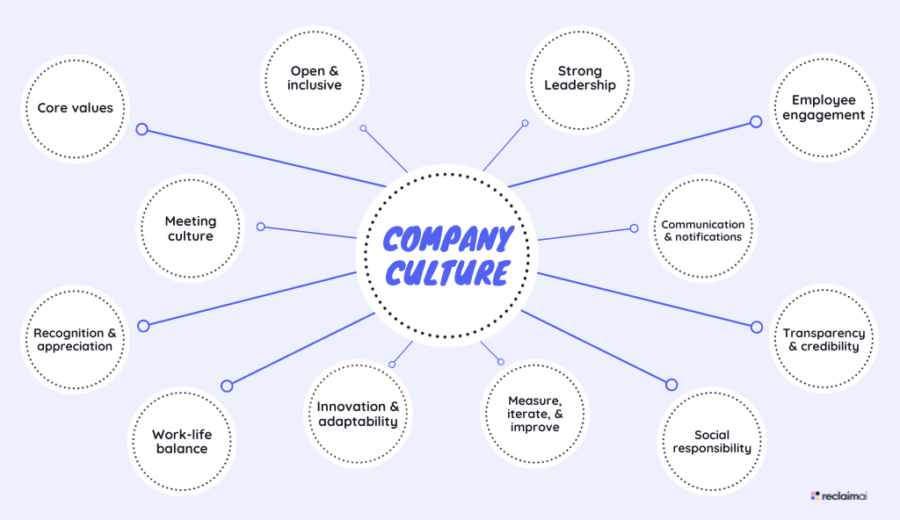
Is corporate governance only about compliance? No, while compliance is part of it, effective corporate governance also shapes company culture, decision quality, and long-term stakeholder trust.
Conclusion
Good corporate governance isn’t about drowning in policies and paperwork — it’s about building a company where decisions are transparent and accountability is real, not just on paper. Whether you’re running a five-person startup or leading a large corporation, these basics matter more than most founders realize until something goes wrong.