Introduction
Every company claims to have a “great culture” these days. Most don’t, if I’m honest. Real corporate culture shows up in how people are treated on a bad day, not in the mission statement pinned to the office wall. Let’s talk about what actually builds culture, versus what just looks good on a careers page.
What Does Corporate Culture Actually Mean?
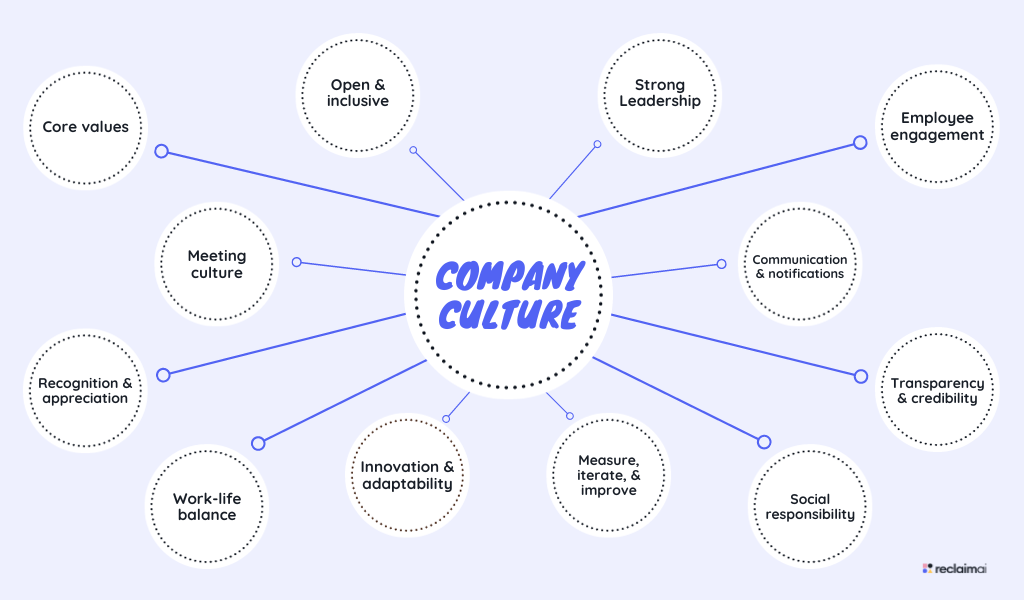
In short: Corporate culture is the shared set of values, behaviors, and unwritten norms that shape how employees interact, make decisions, and experience daily work — it’s demonstrated through actions, not stated intentions.
Why Culture Impacts the Bottom Line
Companies with poor culture see higher attrition, lower productivity, and difficulty attracting talent — all of which cost real money, not just morale. I’ve seen companies spend heavily on recruitment while ignoring the exit interviews explaining exactly why people were leaving in the first place.
Leadership Sets the Tone, Always
Culture doesn’t trickle up from junior employees — it flows down from leadership behavior. If a manager publicly praises collaboration but privately rewards only individual heroics, employees notice the mismatch fast.
Picture a mid-sized tech company where leadership talked constantly about “work-life balance” while sending emails at midnight expecting immediate responses. Attrition hit 35% within a year. That gap between words and actions is what actually defines culture.
[link to related guide about leadership skills for managers here]
Building Trust Through Transparency
- Share company performance and challenges honestly, not just wins
- Admit mistakes at the leadership level instead of deflecting blame
- Keep decision-making processes visible where possible, not opaque
Recognition and Feedback Systems
Direct answer: Companies with structured, regular feedback and recognition systems consistently report higher employee engagement than those relying solely on annual reviews, since timely recognition reinforces desired behaviors while they’re still fresh.
Hiring for Culture Fit — Without the Bias Trap
“Culture fit” gets misused often, becoming a euphemism for hiring people who all think alike. A healthier approach focuses on culture add — hiring people who share core values but bring different perspectives and backgrounds.
Remote and Hybrid Culture Challenges
Building culture across a distributed team is genuinely harder. Casual hallway conversations that build rapport don’t happen naturally online — companies need to intentionally create space for connection, not just Slack messages about deliverables.
Signs of a Toxic Corporate Culture
- High employee turnover, especially among top performers
- Fear of speaking up or disagreeing with leadership
- Favoritism in promotions and recognition
- Constant burnout treated as a badge of honor rather than a warning sign
Measuring Culture Beyond Surveys
Annual engagement surveys only tell part of the story. Exit interview patterns, internal promotion rates, and how disagreements get resolved day-to-day tell you far more about actual culture than a satisfaction score.
FAQs
How long does it take to build a strong corporate culture? Culture-building is ongoing, but noticeable shifts in employee behavior and engagement typically take 12-18 months of consistent leadership action and communication.
Can small companies have strong corporate culture? Absolutely — smaller companies often have an advantage since culture is easier to shape and reinforce consistently with a smaller team.
What role does HR play in corporate culture? HR designs and supports culture-building systems like feedback mechanisms and recognition programs, but leadership behavior ultimately determines whether culture initiatives succeed.
How do perks differ from actual culture? Perks like free snacks or gym memberships are surface benefits; culture is reflected in trust, communication, and how people are genuinely treated day-to-day.
Does remote work hurt corporate culture? It changes how culture is built rather than automatically hurting it — remote teams need more intentional, structured efforts to maintain connection and shared values.
Conclusion
Building corporate culture takes more than mission statements and office perks — it requires leadership that models the values it preaches, consistently, even when it’s inconvenient. Get that right, and retention, productivity, and morale tend to follow naturally.