Introduction
Every founder eventually hits this question: which types of business structure should I actually pick? It sounds like a technicality, but it isn’t. This one choice decides your taxes, your liability, and honestly, how much sleep you’ll lose if something goes wrong.
I’ve watched friends pick a structure based on what “sounded impressive” rather than what suited their business, and it cost them later in compliance headaches. Let’s avoid that.
What Are the Main Types of Business Structure in India?
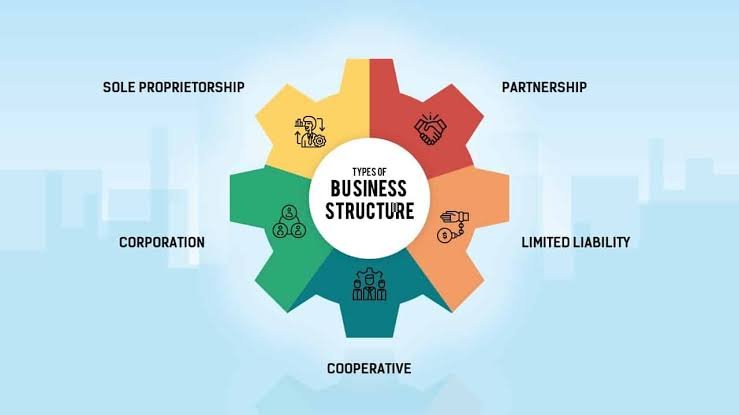
In short: The main types of business structure in India are Sole Proprietorship, Partnership Firm, LLP, Private Limited Company, and One Person Company (OPC) — each differing in liability, taxation, and compliance requirements.
Sole Proprietorship — Simple but Risky
This is the easiest structure to start. One person, minimal paperwork, complete control. But here’s the catch — there’s no legal separation between you and the business. If the business owes money, your personal assets are on the line too.
Best for: freelancers, small traders, single-owner shops testing an idea before scaling.
Partnership Firm — Shared Responsibility, Shared Risk
Two or more people running a business together under a partnership deed. It’s relatively easy to set up, but like proprietorship, liability is unlimited — and personal, unless it’s an LLP.
A friend of mine started a catering business with his cousin under a regular partnership. When a supplier dispute happened, both their personal bank accounts got involved. That’s the risk nobody warns you about.
LLP — The Middle Ground
Limited Liability Partnership combines the flexibility of a partnership with limited liability protection. Your personal assets stay separate from business debts. Compliance is moderate — not as light as proprietorship, not as heavy as a private company.
[link to related guide about registering an LLP here]
Best for: consultants, service-based businesses, small agencies with 2+ founders.
Private Limited Company — Built for Growth
This is the go-to structure if you’re planning to raise funding, bring in investors, or scale aggressively. It has its own legal identity, limited liability for shareholders, and higher credibility with banks and VCs.
- Requires minimum 2 directors and 2 shareholders
- Mandatory annual compliance and audits
- Easier to raise equity funding compared to LLP
One Person Company (OPC) — Solo Founder, Limited Liability
If you’re a solo founder who still wants liability protection without bringing in a co-founder, OPC is worth considering. It’s less commonly used but useful in specific cases.
How to Choose the Right Structure for Your Business
Direct answer: Choose your business structure based on three factors — how much liability protection you need, whether you plan to raise external funding, and how much compliance work you’re willing to handle.
Ask yourself:
- Am I bootstrapping or planning to raise funds later?
- Do I want my personal assets protected from business risk?
- How much paperwork and annual filing am I okay with?
- Is my business likely to bring in a co-founder or investor?
Comparing Compliance and Cost
| Structure | Liability | Compliance Level | Typical Cost |
| Proprietorship | Unlimited | Low | Minimal |
| Partnership | Unlimited | Low-Medium | Low |
| LLP | Limited | Medium | Moderate |
| Pvt Ltd | Limited | High | Higher |
Mistakes to Avoid While Choosing
Don’t pick Private Limited just because it “looks professional” if you’re a one-person consulting business with no funding plans — you’ll be stuck with audits and filings that eat into your time for no real benefit. On the flip side, don’t stay a proprietorship forever if you’re scaling fast and taking on real financial risk.
FAQs
Which business structure is best for a startup? Private Limited Company is usually preferred by startups planning to raise investor funding, due to easier equity issuance and higher credibility.
Can I change my business structure later? Yes, you can convert a proprietorship or partnership into an LLP or Private Limited Company later, though it involves some paperwork and cost.
Is LLP better than Private Limited? It depends — LLP has lower compliance and is great for service businesses, while Private Limited is better if you need to raise equity funding.
Do I need a lawyer to choose a business structure? Not mandatory, but consulting a CA or company secretary helps avoid costly structural mistakes later.
What’s the cheapest business structure to start? Sole proprietorship is the cheapest and fastest to set up, often costing almost nothing beyond basic registrations.
Conclusion
There’s no universally “best” among the types of business structure — only the one that fits where your business is headed. Starting small and solo? Proprietorship works fine. Planning to raise funding and scale? Go Private Limited. Get this decision right early, and you’ll save yourself a lot of restructuring pain later.