Introduction
So you’ve decided to start something of your own. Good for you. But before you print business cards or design a logo, there’s a boring truth nobody tells you upfront: the business registration process is the first real test of whether you’re ready to run a company. I’ve helped a couple of friends get their paperwork sorted over the years, and honestly, most of the confusion isn’t about the law — it’s about not knowing where to even begin.
This guide walks you through the business registration process in India as it stands in 2026, without the legal jargon that makes most government websites unreadable.
Why Registering Your Business Actually Matters
A registered business isn’t just a formality. It’s what lets you open a current bank account, apply for loans, and sign contracts without someone asking, “wait, is this even legal?”
In short: Registering your business gives it legal identity, protects your personal assets, and makes it eligible for loans, government schemes, and GST compliance — something an unregistered setup simply can’t offer.
Picture a small business owner in Jaipur selling handmade jewellery online. Without registration, she couldn’t get a payment gateway approved, and two big export orders fell through because of it. That’s the real cost of skipping this step.
Step 1: Choose Your Business Structure
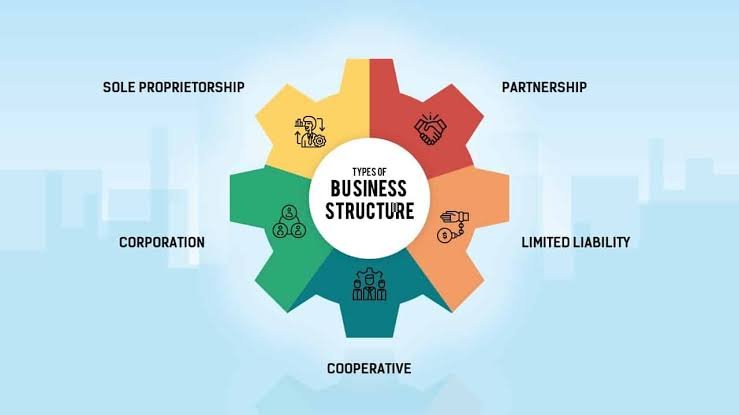
Before you touch any forms, decide what kind of entity you’re setting up. This single decision affects your taxes, liability, and paperwork for years.
- Sole Proprietorship — simplest, but no separation between you and the business
- Partnership Firm — good for two or more founders sharing responsibility
- LLP (Limited Liability Partnership) — protects personal assets, moderate compliance
- Private Limited Company — best for startups planning to raise funding
I’ll be honest — most first-time founders overthink this. If you’re not raising VC money in year one, an LLP or proprietorship is usually enough.
Step 2: Get Your Documents Ready
You’ll need PAN, Aadhaar, address proof, passport-size photos, and a registered office address proof (rent agreement or electricity bill works fine). For companies, add DSC (Digital Signature Certificate) and DIN (Director Identification Number) for each director.
[link to related guide about MSME Udyam registration here]
Step 3: Apply Through the MCA or Udyam Portal
For companies and LLPs, registration happens through the MCA (Ministry of Corporate Affairs) SPICe+ form. For proprietorships, Udyam registration (MSME) is usually sufficient and takes barely 10-15 minutes online.
Direct answer: The fastest route to legally register a small business in India in 2026 is Udyam (MSME) registration, which is free, fully online, and typically approved within a day.
Step 4: Apply for GST Registration (If Applicable)
If your turnover crosses ₹40 lakh (₹20 lakh for services), GST registration becomes mandatory. Even below that threshold, many businesses register voluntarily because clients — especially B2B ones — often ask for a GST number before paying an invoice.
Step 5: Open a Business Bank Account
Once your registration certificate arrives, take it to a bank along with your PAN and address proof. Don’t mix personal and business finances — I’ve seen this cause massive headaches during tax season for more than one founder I know.
Common Mistakes People Make During Registration
- Choosing the wrong business structure just because it “sounds professional”
- Using a home address without proper proof documents
- Ignoring GST registration until a client demands an invoice
- Not renewing licenses or filings on time (yes, registration isn’t a one-time job)
How Long Does It Take?
Udyam registration: same day. LLP registration: 7-10 working days. Private Limited Company: 10-15 working days, sometimes faster if your documents are clean the first time.
FAQs
Is it mandatory to register a small business in India? Not always legally, but practically, yes — without it, you can’t open a business bank account, apply for loans, or bid for many contracts.
Can I register my business from home? Yes, a home address works fine as your registered office as long as you have valid address proof.
How much does business registration cost? Udyam is free. LLP registration costs roughly ₹2,000-₹8,000 depending on the state. Private Limited Company setup usually costs ₹6,000-₹15,000 including professional fees.
Do I need a CA for registration? Not strictly, but for LLPs and Private Limited Companies, a CA or company secretary saves you from filing errors that can delay approval.
What happens if I don’t register my business? You can still operate informally, but you’ll miss out on loans, GST input credit, and legal protection in disputes.
Conclusion
The business registration process isn’t glamorous, but it’s the foundation everything else sits on. Skip it or rush it, and you’ll be fixing avoidable problems six months down the line. Take an afternoon, gather your documents, and just get it done — future you will thank present you.