Introduction
I’ve reviewed marketing plans that were basically wishlists — “increase brand awareness, boost engagement, go viral” — with zero actual steps attached. That’s not a plan, that’s a hope. Learning how to create a marketing plan that actually works means grounding it in specific goals, real budget numbers, and a timeline you can genuinely stick to.
What Should a Marketing Plan Actually Include?
In short: A working marketing plan should include clear, measurable goals, a defined target audience, specific channels and tactics, an allocated budget, and a timeline with checkpoints to measure progress.
Step 1: Define Specific, Measurable Goals
“Get more customers” isn’t measurable. “Generate 50 qualified leads per month through organic search and paid social by Q3” is. Specificity forces clarity on what you’re actually trying to achieve.
Step 2: Know Your Target Audience Deeply
Generic targeting wastes budget. Understanding your audience’s specific problems, where they spend time online, and what actually influences their buying decisions shapes every other part of the plan.
Picture a local furniture business that assumed their audience was “everyone furnishing a home.” After digging into actual customer data, they realized 70% of buyers were young couples moving into their first apartment — completely changing their messaging and ad targeting.
[link to related guide about content marketing strategy here]
Step 3: Choose the Right Marketing Channels
- SEO/Content — long-term, compounding organic traffic
- Paid Social/Search Ads — faster results, ongoing cost
- Email Marketing — strong for nurturing existing leads
- Local Marketing — critical for businesses with physical locations
Direct answer: The right marketing channels depend entirely on where your specific audience spends time and what stage of the buying journey you’re targeting — there’s no universally “best” channel across all businesses.
Step 4: Set a Realistic Budget
Allocate budget based on expected return per channel, not just what feels exciting. A common approach is starting with a smaller test budget across 2-3 channels, then doubling down on whatever shows the strongest early results.
Step 5: Build a Content and Campaign Calendar
Map out specific campaigns, content pieces, and promotions across the timeline, tied to relevant dates — festivals, sales seasons, product launches — rather than posting reactively without any plan.
Step 6: Define How You’ll Measure Success
Without clear KPIs, it’s impossible to know if the plan is actually working. Common metrics include website traffic, conversion rate, cost per lead, and customer acquisition cost.
Adjusting the Plan Based on Real Data
A marketing plan isn’t set in stone. Reviewing performance monthly and reallocating budget toward what’s actually working — rather than sticking rigidly to the original plan — is what separates effective marketers from ones just going through the motions.
Common Mistakes When Creating a Marketing Plan
- Setting vague, unmeasurable goals
- Spreading budget too thin across too many channels
- Ignoring existing customer data when planning targeting
- Not building in time to review and adjust based on results
FAQs
How long should a marketing plan cover? Most small businesses benefit from a quarterly marketing plan with monthly check-ins, allowing flexibility to adjust based on real results rather than committing rigidly to a full year.
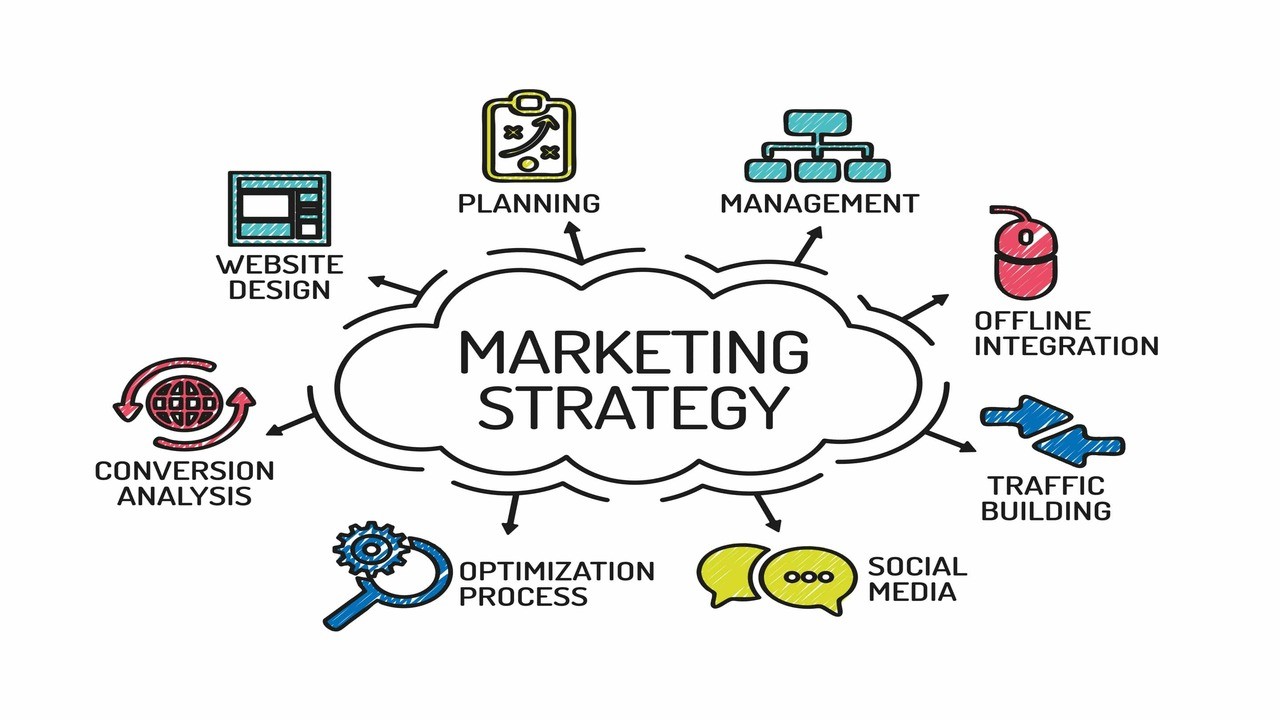
What’s the difference between a marketing plan and marketing strategy? A marketing strategy defines the overall direction and positioning, while a marketing plan outlines the specific, actionable steps and timeline to execute that strategy.
How much budget should a small business allocate to marketing? This varies by industry, but many small businesses allocate roughly 5-10% of revenue to marketing, adjusting based on growth goals and competitive pressure.
Do I need a marketing plan if I’m a very small business? Yes — even a simple one-page plan with clear goals and channels prevents wasted effort and keeps marketing activities focused on actual business outcomes.
How do I know if my marketing plan is working? Track specific KPIs tied to your original goals — traffic, leads, conversions, or sales — and review them regularly against your targets to gauge real progress.
Conclusion
Learning how to create a marketing plan that works isn’t about elaborate strategy decks — it’s about specific goals, knowing your audience, and being willing to adjust based on real results. Start simple, measure consistently, and let the data guide where you double down.